

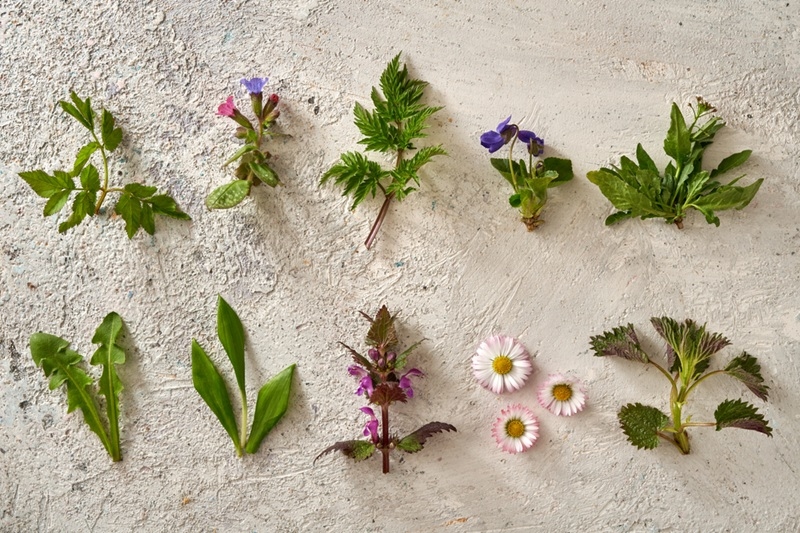
While edible weeds are often seen as unwelcome, they can be rich in flavor and nutrients. You can find edible weeds in sidewalks, gardens, forests, and empty lots. Learning about these plants will save you money and increase variety in your meals. This guide explores the delicious and useful weeds and wild greens that are easy to find and tasty.
It's often forgotten how many edible weeds are useful in everyday cooking. Many of these plants grow wild, so they are one of the easiest ways to get fresh greens:
One of the most popular and recognized edible weeds is the dandelion. The leaves taste slightly bitter, like rocket (arugula), and the flowers can be used for tea or made into fritters. The young leaves work best for salad, and the roots are used roasted as a coffee substitute.
Purslane has fleshy, thick, round or spatulate leaves with a lemony taste and crunchy texture. Purslane is one of the best Backyard edible plants as it grows rapidly in hot weather. The leaves have OMEGA-3 fatty acids and are good for sandwiches, salads, and soups.
This common edible weed has smooth, soft green leaves and a mild taste reminiscent of spinach. It is included on many Foraging plants guide lists because it is extremely easy to identify. Chickweed can be eaten raw in salads, made into pesto, or cooked.
This weed tastes like spinach but is much higher in Calcium and Iron. The leaves can be steamed, sauteed, and used in soups and as a side vegetable. Foragers widely rate this one of the best Survival food plants due to its ability to grow in the poorest soils, and it spreads quickly.
plantain, not to be confused with the banana-like fruit, grows readily in lawns and pathways. The leaves are mild and tender enough to be eaten raw in salads, and mature leaves can be boiled and used like kale; also, the seeds can be eaten, and they are packed with fiber.
Although covered with stingers, cooking stinging nettle removes the sting and leaves an earthy taste like spinach. Nettle soup and tea are common dishes from this extremely useful Wild edible plant.
Wood sorrel has 3 clover-shaped leaves and a tart lemony taste, which is very refreshing in salads or as a garnish for heavier dishes.
Clover flowers and leaves are edible and often made into tea. They also add flavor to salads. One of the simplest Backyard edible plants you'll be seeing.
A weed with a combination flavor of garlic and mustard greens. The leaves are great in sauces and pesto, and also a great way to get rid of this invasive plant.
This very fast-growing invasive vine that often climbs trees and fences has leaves, flowers, and roots which can all be eaten. Flowers are commonly made into jelly, and roots are used as thickening agents for sauces and soups.
Miner's lettuce has tender, crisp, round leaves; its health benefits made it the preferred food for California miners during gold rush times, and it remains one of the most nutritious common edible weeds today, perfect in a salad.
All of a cattail can be used, and it's rated highly in any Foraging plants guide. Young shoots are delicious, and the taste of cucumber and pollen can be used as a flour.
Burdock roots are crunchy when cooked and have a slightly sweet flavor. They are most often eaten stir-fried or in stews and soups, but were historically prized in the East.
Wild amaranth can yield lots of nutritious greens and seeds. They can be cooked like spinach, and seeds are eaten raw, toasted, or ground into flour, which is also considered one of the most important survival foods by many foragers.
Mallow has soft leaves that get naturally slimy when cooked and make the dish thick naturally; they have a mild taste. The flowers are also edible and make a colorful addition to dishes.
Wild violet leaves contain Vitamin C and are great eaten raw in salads; they also make a lovely topping for desserts and salads. Many people already have these growing in their lawns without realizing it.
Leaves have a sharp, tart flavor and make good additions to stews, and the seeds can be ground into flour. The young leaves are preferred for their sweeter taste.
Buds and flowers can be cooked, eaten on their own, or added to dishes such as stir fry. The flowers also provide a colorful splash on a dinner plate.
Depending on the type of pine tree, you can get vitamin C-rich teas from the needles, which are quite tasty in the winter months. Always ensure the type of tree you are foraging is a safe one before drinking.
Growing in fields and woods, the taste is obvious by the strong scent; wild garlic bulbs and leaves are edible and great in stews, eggs, and roasted food.
Similar in taste to rhubarb, the shoots of the plant are palatable if cooked correctly and make delicious pies and jams. Despite its invasive properties, it's actually a very tasty ingredient.
The root of Queen Anne's Lace can be prepared similarly to carrots, but should not be mistaken for other potentially toxic plants. However, experienced foragers will often boil roots in stews.
Watercress is found near fast-moving streams, and the peppery taste of the leaves can liven up any sandwich, soup, or salad, making it one of the most healthy common edible weeds.
With its heart-shaped seed pods and peppery taste, this common roadside and garden weed can be used in stir-fries and soups.
With its fiery taste, wild mustard leaves can be used like kale, and the seeds can be used to make your own mustard.
Young shoots of bamboo can be cooked and have a crunchy texture and mild taste. They are a popular food in soups and curries in many parts of Asia.
The flowers of red clover are edible and sweet. They are commonly made into tea, but the leaves can also be eaten and added to a range of dishes, and are very easy backyard edible plants.
Often seen in people's gardens, but is edible when the shoots are young, this tasty but bland green is usually mixed with other ingredients.
Learn Further: Discover Pet-Friendly Plants for Safe and Happy Homes
Knowledge of common edible weeds can dramatically change our perception of these humble plants. Nutritious and tasty varieties can be found growing in the most unexpected places - in gardens, roadsides, even vacant lots! However, identifying weeds correctly is of vital importance before you consume any wild food.
With time and practice, these common edible weeds can become a regular source of food and a lifesaver if food runs out.
A good majority of edible weeds have the ability to supply a decent amount of vitamins, minerals, and antioxidants. Some will even supply more nutrients compared to most cultivated vegetables. However, it is very important to gather these plants from clean environments free from contaminants such as pesticides, pollution, and animal waste to ensure good quality.
A novice at foraging should come equipped with a pair of gloves, a pair of scissors or shears, a small knife, and a field guide. Reusable bags are also a good addition to the foraging equipment. A trusted Foraging plants guide is necessary, as correct identification will eliminate mistaking an edible plant for a poisonous plant.
Children can consume properly identified wild plants, but in moderation, as a responsible adult must be watching. Certain plants can even cause food allergies or stomachaches. Introducing them to a common wild edible like clover or dandelion should be safe for both families, including young children.
The majority of Backyard edible plants can be easily cooked after washing or introduced into salads, soups, teas, or even stir-fries. Young plants with soft leaves are preferred raw, while aged weeds should generally be cooked. They do taste good even with a simple flavoring, such as garlic, olive oil, or lemon juice.
This content was created by AI