

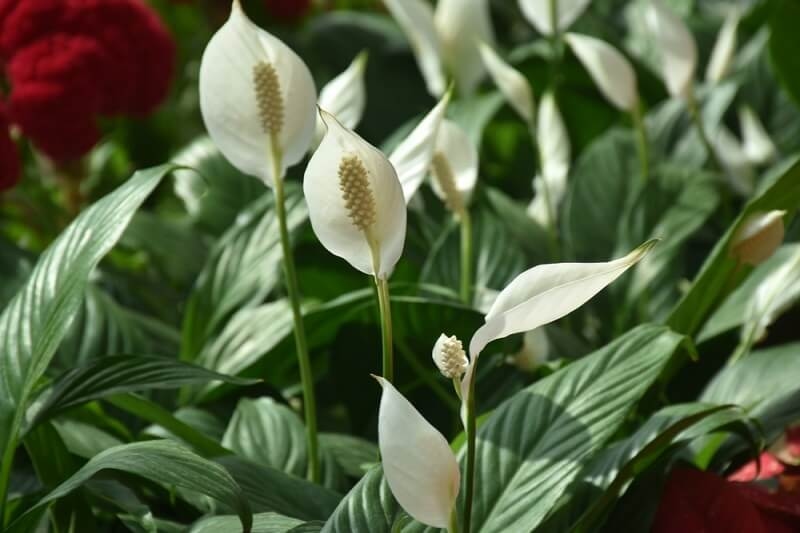
The Peace Lily plant is more than just a pretty indoor accent. It’s a calm, reliable presence that quietly improves how your home feels day after day. Known for its role in the NASA clean air study, this plant supports cleaner indoor air while thriving in low light and busy households. In this blog, we’ll look at how it fits into real American homes, why it’s loved among indoor plants, and how simple care keeps it healthy and glowing.
Walk into a calm living room, maybe late afternoon, sunlight filtered through the blinds. There’s often a Peace Lily plant sitting quietly in the corner, leaves glossy, flowers soft and white. It doesn’t shout for attention. And yet, it’s doing a lot more than looking pretty.
Here’s the thing. The Peace Lily plant feels almost polite. Its deep green leaves grow upright, tidy but not stiff. The white blooms, which are actually modified leaves, appear like little flags of peace. It’s no accident people associate it with calm and balance. In busy households, that visual quiet matters more than we admit.
Among the best houseplants, the Peace Lily often shows up on lists for beginners and seasonal plant lovers alike. That’s rare. Some plants are tough but boring. Others are beautiful but demanding. This one sits in the sweet spot. It adapts. It forgives missed waterings. And it keeps doing its job quietly.
Air quality is one of those topics we don’t think about until something feels off. Dry throats. Stuffy rooms. There is a faint chemical smell after new furniture arrives.
The NASA clean air study looked at how certain indoor plants interact with common airborne compounds. The Peace Lily plant stood out for its ability to absorb substances often found in homes, especially those released by paints, cleaners, and synthetic materials.
You might think the flower does the heavy lifting. Honestly, it’s the leaves. Those broad surfaces act like slow, steady sponges. Air moves across them. Particles settle. The plant processes what it can.
Some air purifying plants demand bright windows or strict routines. The Peace Lily plant plays by different rules. That flexibility is why it keeps popping up in apartments, offices, and dorm rooms across the US.
Snake plants are tough. Spider plants grow fast. But the Peace Lily sits somewhere in between. It doesn’t look industrial or wild. It looks intentional.
That combination is gold.
Is one plant enough? You know what, maybe not in a huge open-plan house. But in a bedroom, a home office, or a small apartment, even one Peace Lily plant can improve how a space feels. Fresher. Softer. Less boxed in.
Don't Miss: Outdoor Plant Maintenance Tips for a Healthy Garden All Year
Let’s be honest. Not every home looks like a magazine spread. Kids, pets, uneven light, busy schedules. Indoor plants need to survive real life, not just ideal conditions.
From suburban homes to city apartments, the Peace Lily plant adapts well to central heating, air conditioning, and seasonal changes. Winters in the Midwest. Dry heat in the Southwest. Humid summers in the Southeast. It adjusts without drama.
Low light corners. North-facing rooms. Offices with fluorescent bulbs. These are plant graveyards. Yet the Peace Lily plant often survives where others fade. That makes it a quiet hero among low-light plants.
Low light doesn’t mean no life. It just means slower growth and softer energy. The Peace Lily plant understands this balance better than most.
Bright indirect light is ideal, sure. But the Peace Lily plant won’t collapse if placed a few feet from a window. It might bloom less often. Leaves might grow more slowly. That’s okay. It’s still healthy, still green, still doing its thing.
Plants communicate, just not loudly. If leaves stretch or flowers stop appearing for long periods, it may be time to shift the pot slightly. Think of it like moving a chair closer to the fireplace, not a full renovation.
Plant care should feel grounding, not stressful. The Peace Lily plant fits nicely into that mindset.
Here’s a small contradiction. Peace Lilies like moisture, but hate soggy soil. The trick is simple. When the top inch feels dry, water thoroughly. And yes, the dramatic droop when it’s thirsty? That’s normal. It perks back up fast, as if nothing happened.
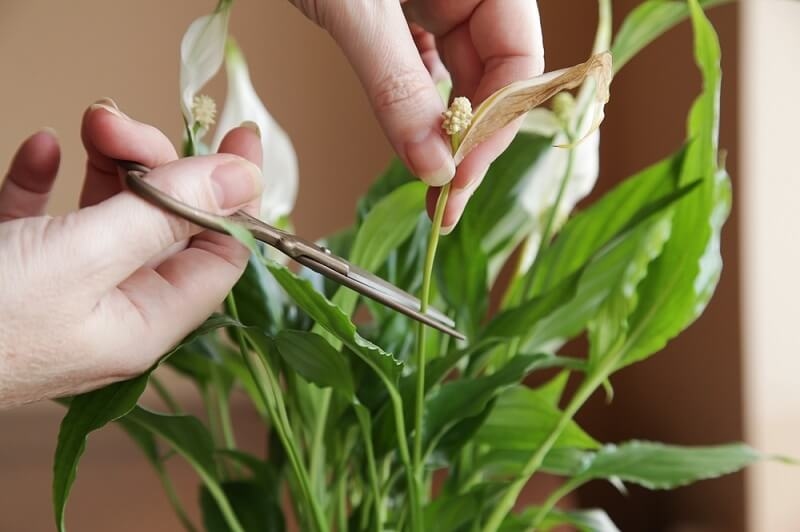
A light houseplant fertilizer every couple of months during spring and summer is enough. Wipe leaves occasionally. Trim yellowing ones without guilt. This plant doesn’t hold grudges.
Some plants feel decorative. Others feel alive in a way that connects with us. The Peace Lily plant falls into the second category.
White blooms against green leaves create a sense of pause. People often place them in bedrooms, meditation corners, or workspaces. There’s something about its posture that encourages slower breathing.
In the US, Peace Lilies often show up as housewarming gifts or sympathy plants. That emotional layer matters. It becomes part of family stories, not just decor.
Also Read: Plant Disease Prevention Tips All Home Gardener Should Know
The Peace Lily plant has earned its place among the most loved indoor plants for good reason. It cleans air gently, adapts to low light, and asks for very little in return. Supported by insights from the NASA clean air study and decades of everyday use, it fits naturally into modern American homes. It’s not flashy. It’s not demanding. It just shows up, day after day, making the air feel fresher and the room feel calmer. Honestly, that kind of reliability is rare.
Peace Lilies can irritate pets if chewed. It’s best to place them out of reach or choose a different plant if pets like to nibble.
Blooming usually happens once or twice a year with good light. Even without flowers, the foliage stays attractive year-round.
While not a cure, many people find that cleaner air and calming visuals support better sleep in bedrooms.
No. Plants support air quality, but do not replace proper ventilation or air filters. They work best as part of a balanced home setup.
This content was created by AI